A bird expert and orchid lover’s perspective on the highlands
Let’s be honest: when most people think of wildlife destinations, Ecuador’s capital city doesn’t immediately spring to mind. But step outside Quito, sometimes just minutes outside Quito, and you’ll find yourself in one of the most extraordinary concentrations of birds, orchids, and wild things on the planet. Bring binoculars. Bring a camera. Bring more memory cards than you think you’ll need.
Birds of the highlands: where looking up is always rewarded
The highlands around Quito are the kind of place that turns casual nature lovers into obsessive birdwatchers almost overnight. The culprit? A cast of avian characters so dramatic, so colorful, and so utterly improbable that field guides start to feel like works of fiction.
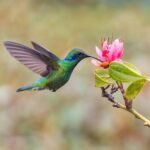
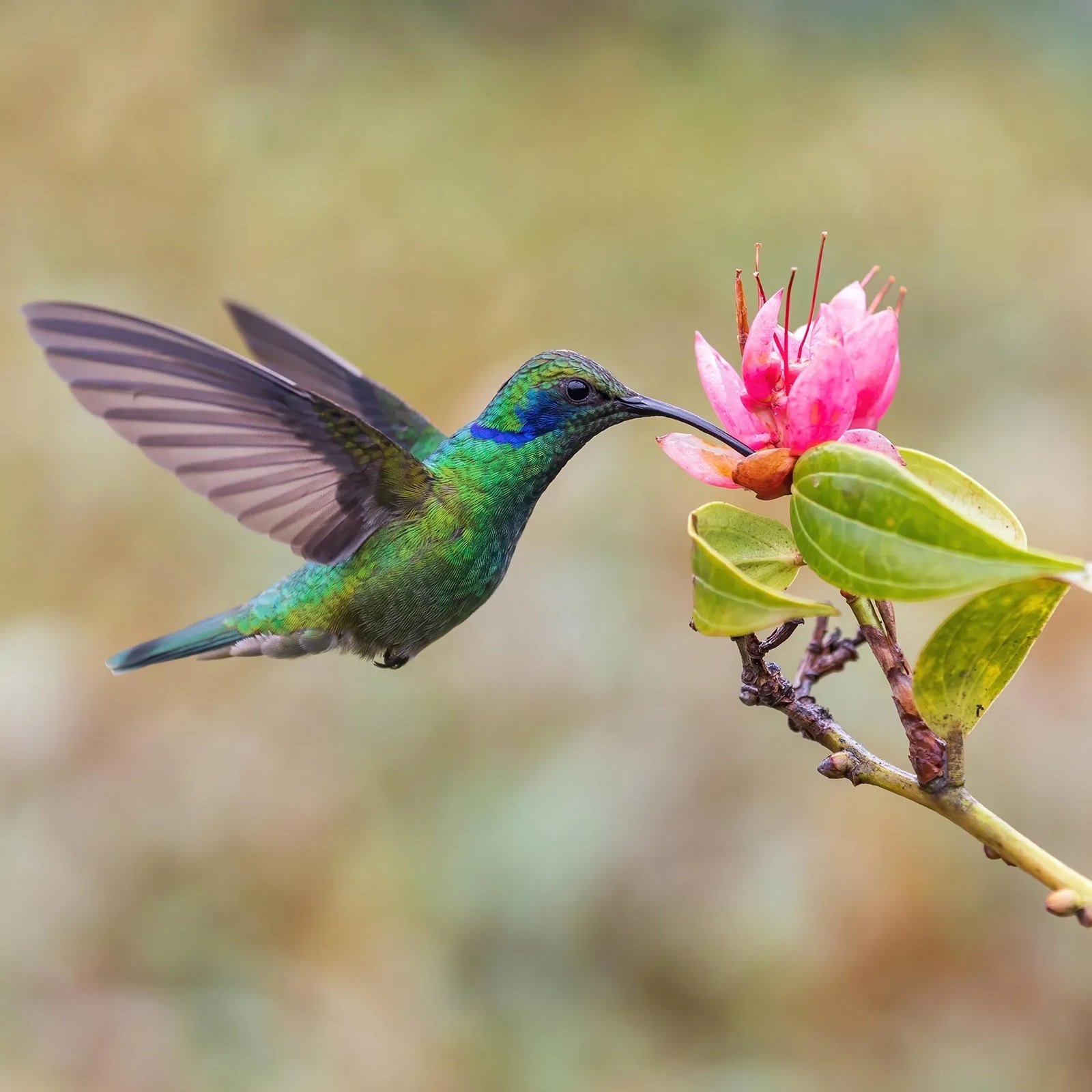
First, the headliner: the Andean condor. With a wingspan stretching up to three meters, this magnificent bird doesn’t so much fly as commandeer the sky. Spotting one riding thermals above the páramo is the kind of moment that stops conversation mid-sentence. But the highlands have plenty more to offer beyond their most famous resident. Hummingbirds alone could fill an entire itinerary: the Ecuadorian Hillstar, the Black-tailed Trainbearer, and the aptly named Giant Hummingbird (which, at nearly ten centimeters, shatters every expectation you had about hummingbird sizes) dart and hover through the mountain air with impossible grace. And then there’s the Red-crested Cotinga, a bird so extravagantly colored it looks like it got dressed in the dark and somehow pulled it off.
Orchids of the highlands: nature showing off
If birds are the highlands’ showstoppers, orchids are their quietly magnificent supporting cast. The cloud forests near Quito, particularly within the Pululahua Geobotanical Reserve, harbor an astonishing diversity of orchid species, many found nowhere else on earth. The Sobralia dichotoma produces blooms of such theatrical beauty that stumbling upon one in the wild feels genuinely cinematic. The Epidendrum secundum carpets forest edges in cheerful pink clusters. And then there’s the Puya clava-herculis, a bromeliad that spends years quietly growing before suddenly launching a towering flower spike skyward, a plant so committed to its own dramatic reveal it practically deserves a drumroll.
The Chocó Andino: where biodiversity goes to outdo itself
Just a short drive from Quito lies a place that scientists and naturalists tend to speak about in slightly hushed, reverent tones: the Chocó Andino. One of the most biodiverse regions on the planet, this lush corridor of cloud forest is where nature appears to have thrown out the rulebook and decided to see just how extraordinary it could get.
Over 400 bird species have been recorded here, a number that makes even seasoned birders go a little weak at the knees. The Plate-billed Mountain-Toucan arrives looking like it was designed by committee (a very creative, slightly unhinged committee). The Toucan Barbet is a riot of red, black, and yellow that somehow manages to look dignified. And the Golden-headed Quetzal, resplendent in emerald and gold, is the kind of bird you’ll be describing to people for years afterward. The Chocó Andino is also critical habitat for rarer, more elusive species like the Long-wattled Umbrellabird, a bird whose elaborate wattle makes it look permanently ready for a very important meeting, and the Chocó Vireo, one of the most sought-after sightings in Ecuador.
For orchid enthusiasts, the Chocó Andino is nothing short of a wonderland. The moist, shaded forest floors and dripping branches create perfect conditions for species of startling complexity and beauty. The Dracula orchids, yes, that is their actual name, have evolved such intricate, elaborate structures to attract their pollinators that they border on the theatrical. Tiny Pleurothallis flowers carpet the forest floor in delicate profusion, while epiphytic Oncidium orchids cling to towering trees like botanical acrobats, dangling clusters of blooms into the canopy air. Add in the bromeliads, ferns, mosses, and the iconic umbrella-shaped Cecropia trees, and you have an ecosystem that rewards every glance in every direction.
Why it matters: and why you should come see it for yourself
All of this extraordinary life exists because local communities, conservation organizations, and sustainable tourism operators have worked hard to keep it that way: through reforestation, wildlife monitoring, and environmental education that ensures these forests have a future as spectacular as their present.
Ready to explore? At My Tour EC, we design nature experiences around Quito and beyond that go far beyond the surface, guided by experts, tailored to your interests, and paced to let you actually take it all in. Get in touch and let’s start planning.